
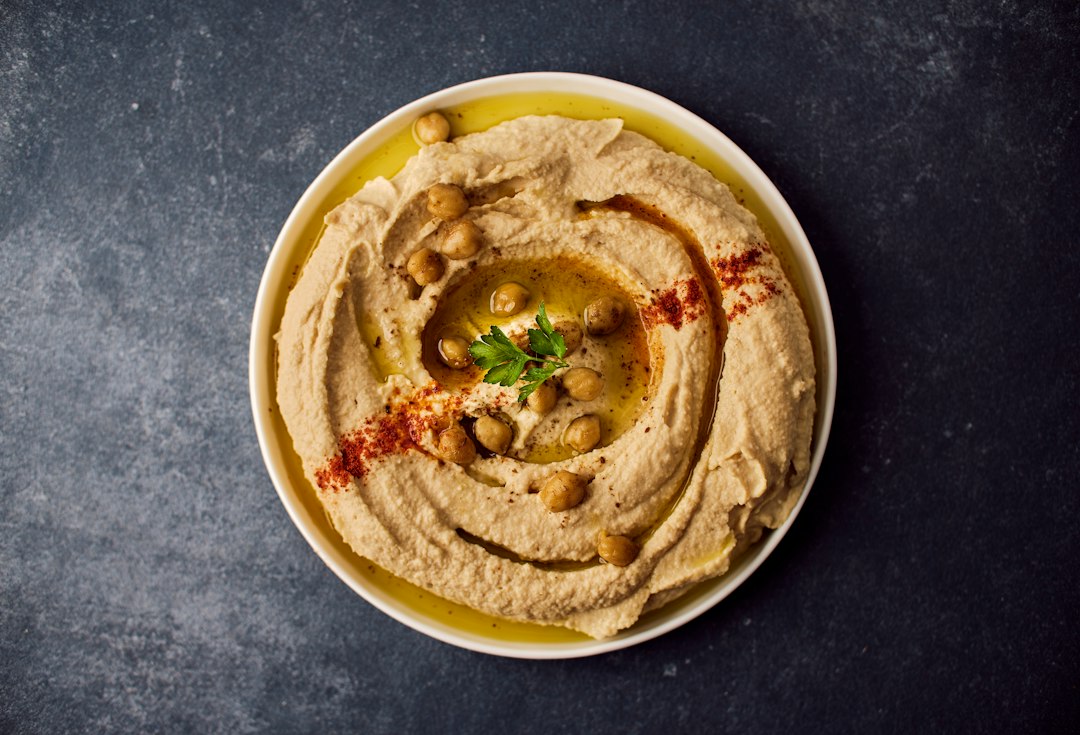
The best hummus recipe is a simple one: chickpeas, tahini, lemon juice, garlic, olive oil, salt and a little cold water, blended longer than you think you need to. Below you will find that base recipe with the techniques that make it smooth, then four variations readers ask for most: beet, roasted red pepper, Greek yogurt, and versions without tahini or sesame. We finish with storage rules, serving ideas and a few honest answers to common questions.
Key takeaways
A classic hummus needs only six or seven ingredients and about 10 minutes with canned chickpeas. Blending time and a splash of cold water matter more than any fancy extra.
Roasting beets or peppers first gives deeper flavor and a less watery dip than using canned or jarred versions.
You can make hummus without tahini by switching to butter beans or by leaning on olive oil and cold water, though the flavor will be milder.
Homemade hummus keeps in the refrigerator for roughly 3 to 7 days depending on the source, so make small batches and keep them cold.
Table of Contents
What goes into good hummus
Hummus is a Middle Eastern spread. Harvard’s Nutrition Source describes it as a mezze dish popular in Syria, Lebanon, Egypt, Saudi Arabia and Israel, made from chickpeas, tahini, lemon, garlic, water and seasonings. That short list is the whole secret: when there are only a handful of ingredients, the quality and proportions of each one show up in the bowl.
Here is what each ingredient does.
Chickpeas give body and a mild, nutty sweetness. Canned are fine for everyday hummus. Dried chickpeas, soaked and cooked until very soft, usually give a better taste and consistency, as BBC Food notes, but they take a lot longer.
Tahini (sesame paste) adds richness and the savory depth people associate with restaurant hummus. Use a fresh, pourable jar. Old tahini tastes bitter and turns the dip grainy.
Lemon juice brings brightness. Squeeze it fresh, and add it in stages so you stay in control of the tang.
Garlic is powerful raw. One small clove is plenty for a can of chickpeas, and letting it sit in the lemon juice for a few minutes softens its bite.
Olive oil goes in both the dip and on top. A good extra-virgin oil is worth using because you can taste it.
Cold water loosens the mixture and makes it fluffy. Ice-cold water works best.
Spices such as cumin, smoked paprika or sumac are optional. If you like to experiment with warm, savory blends, this guide to shawarma seasoning blend ratios shows how spices balance each other, and a pinch of a blend like that on top of hummus is a quick way to change the mood of a plate.
Our base homemade hummus recipe
This is the recipe we use as the starting point for every variation below. It makes about 1½ cups, enough for four people as a snack.
Ingredients
1 can (15 ounces) chickpeas, drained and rinsed, liquid reserved if you like
⅓ cup well-stirred tahini
3 tablespoons fresh lemon juice
1 small garlic clove, grated or finely minced
2 tablespoons extra-virgin olive oil, plus more for serving
½ teaspoon ground cumin (optional)
½ teaspoon fine salt, to taste
3 to 5 tablespoons ice-cold water
Steps
Stir the garlic into the lemon juice and let it rest for 5 minutes.
Add the tahini and the lemon-garlic mixture to a food processor. Blend for about a minute until pale and thick. This step whips the tahini first and is the reason the finished hummus turns out fluffy.
Add the olive oil, cumin and salt. Blend for 30 seconds, scraping down the sides.
Add half the chickpeas and blend for a minute, then add the rest and blend again.
With the machine running, stream in cold water a tablespoon at a time until the hummus is silky and spreadable. This usually takes 3 to 5 tablespoons.
Taste. Add salt for flavor, lemon for brightness, or water for a lighter texture. Blend once more.
Spoon into a shallow bowl, make a swirl with the back of the spoon, and finish with olive oil and a pinch of paprika or parsley.
For comparison, BBC Good Food’s classic version uses 400g of canned chickpeas, 3 tablespoons of tahini, one lemon, 1 to 2 garlic cloves and 80ml of olive oil, and suggests blending for around 5 minutes, or 8 to 10 minutes in a food processor if you want it especially smooth. Most reliable recipes are close cousins, and the differences are about taste, not technique.
How to make hummus really smooth
Grainy hummus is the most common complaint. These fixes work in order of impact:
Blend longer. Five minutes feels excessive, but it is the main difference between decent and creamy.
Soften the chickpeas. BBC Food recommends very soft chickpeas, blended while still warm, with a little of their cooking liquid added gradually. If you use canned, the same source suggests simmering them for about 20 minutes with bicarbonate of soda so they break down more easily.
Use cold liquid. Ice water makes the dip lighter and fluffier.
Scrape the bowl. Unblended bits hide along the sides and under the blade.
Rest it. Hummus tastes better after 20 to 30 minutes, once the garlic and lemon have settled.
If you are short on time, canned chickpeas are the practical choice. The result is still creamy, and you skip the overnight soak.
Beet hummus
Beet hummus turns bright magenta and tastes earthy and slightly sweet, which makes it a hit with kids and a good way to get more vegetables into a snack. Roasting is the better method: roasted beets have more flavor and less water than boiled or canned ones, so the dip stays thick and the color stays vivid.
How we make it
Wrap 1 large or 2 medium beets in foil and roast at 400°F for about 45 minutes, until a knife slides in easily. Cooperative Extension programs follow the same approach: Cornell Cooperative Extension roasts wrapped beets and garlic at 425°F for 45 minutes before blending.
Cool the beets, rub off the skins and chop them.
Make the base recipe above, but blend the beet in with the chickpeas. Use a bit less water, since beets add moisture.
Add an extra squeeze of lemon and a pinch of cumin or crushed red pepper.
If you do not want to turn on the oven, the University of Maine Cooperative Extension offers a stovetop route: boil 4 medium beets for about 20 minutes until tender, cool and peel them, then process with a 15.5-ounce can of beans, lemon juice and zest, olive oil, garlic powder, cumin and pepper until smooth. It works well, though it is a little wetter and milder.
Serving tip: crumbled feta, fresh parsley and warm pita wedges all suit beet hummus. Wear an apron, because beets stain.
Roasted red pepper hummus
Roasted red pepper hummus is sweeter and a little smoky, and it is the easiest variation to make. The method is simple: roast the peppers, peel them, and blend them with the chickpeas.
Halve 2 red bell peppers and remove the seeds. Place them skin side up on a foil-lined sheet and broil until the skins are blistered and charred.
Cover them with foil for 10 minutes so they steam, then peel off the skins. A paper towel keeps the skin from sticking to your fingers, a tip from Rutgers Cooperative Extension’s recipe.
Make the base recipe. Add one roasted pepper along with the first half of the chickpeas, taste, and add the second pepper only if you want a stronger color and flavor.
Cut back on the water. Peppers are juicy, and too many of them make the hummus loose.
If you are in a hurry, jarred roasted peppers work. Drain them and pat them dry first. A pinch of smoked paprika brings back some of the char you lose.
Greek yogurt hummus
Stirring Greek yogurt into hummus gives a lighter, tangier dip with a little extra protein, and it softens the garlic. It is a nice bridge between hummus and tzatziki, and it suits our Greek-leaning kitchen.
Make the base recipe, then fold in 3 to 4 tablespoons of plain, full-fat or 2% Greek yogurt at the end. Do not blend it for long, or it can turn thin.
Reduce the tahini to 3 tablespoons if you like a lighter dip, and add a little lemon zest to keep it bright.
Top with olive oil, dill or mint, and a few cucumber slices.
Because yogurt is perishable, keep this version well chilled and eat it within a few days.
Leftover Greek yogurt? Our guide to Greek yogurt dessert ideas shows a sweet way to use the rest of the tub.
Hummus without tahini or sesame
People skip tahini because they are out of it, dislike the bitterness, or need to avoid sesame. Here are your options.
Butter bean hummus. Butter beans are naturally creamy and mild. BBC Good Food’s butter-bean hummus blends 400g of butter beans with lemon zest and juice, olive oil, garlic, cumin, coriander, salt, pepper and 6 tablespoons of the bean liquid until completely smooth. It is a good model for any tahini-free dip.
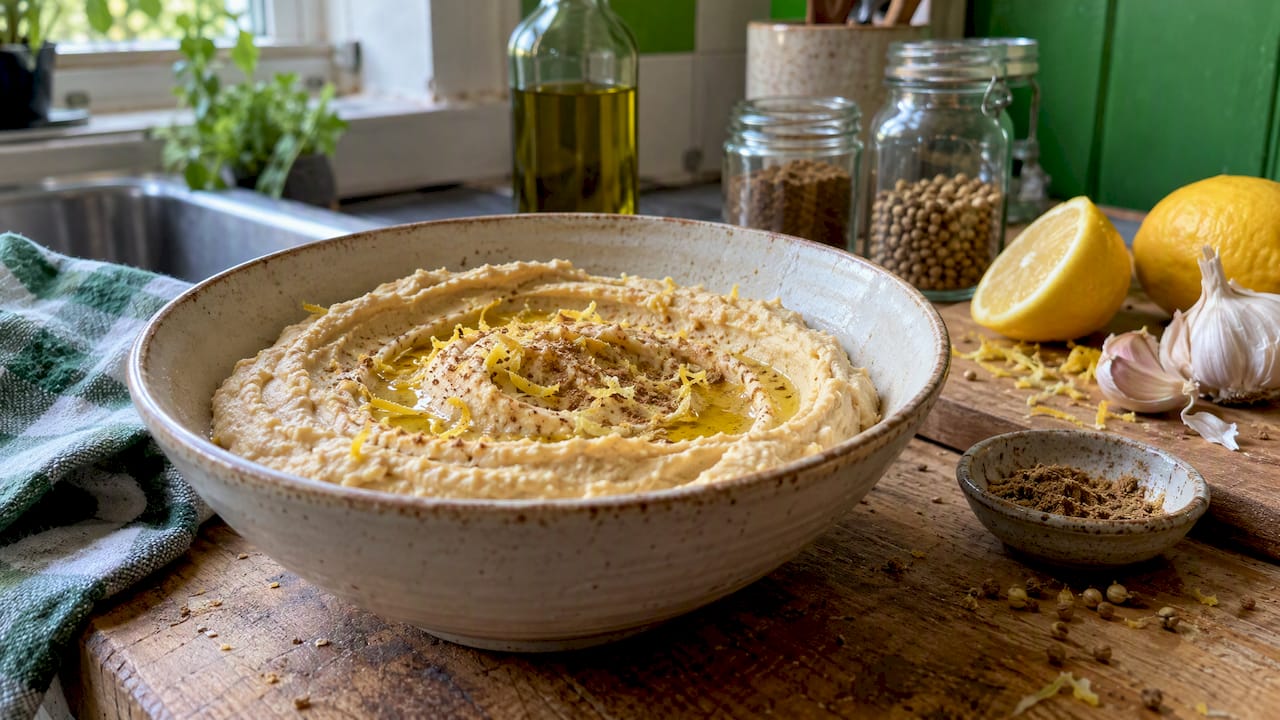
Chickpea hummus with extra olive oil. Keep the chickpeas, and replace the tahini with an extra 2 to 3 tablespoons of olive oil plus cold water. Blend for a few minutes. It tastes lighter and more lemony than the classic, but it is smooth and makes a good dip.
Boosting flavor without tahini.
Add more cumin, or a little toasted ground coriander.
Use a splash of lemon zest for aroma.
Add roasted garlic instead of raw.
Finish with generous olive oil and a spice such as sumac or paprika.
If you are avoiding sesame because of an allergy, check every label, including spice blends and store-bought pita or crackers, and ask your allergist or doctor about what is safe for you. Do not rely on a recipe alone.
What to serve with hummus
Harvard’s Nutrition Source suggests pita, cucumbers, radishes, carrots and bell peppers for dipping, with olive oil, parsley, pomegranate seeds or spices as garnish. A few more ideas:
Spread it in a sandwich or wrap instead of mayonnaise.
Spoon it over a grain bowl with roasted vegetables.
Use it as a base under eggs or grilled chicken.
Pack it with carrot sticks for a school snack or a work lunch.
Thin it with lemon juice and water for a salad dressing.
For a Greek-style mezze board, pair hummus with olives, cucumber, tomatoes, warm pita and a bowl of yogurt dip.
How to store homemade hummus
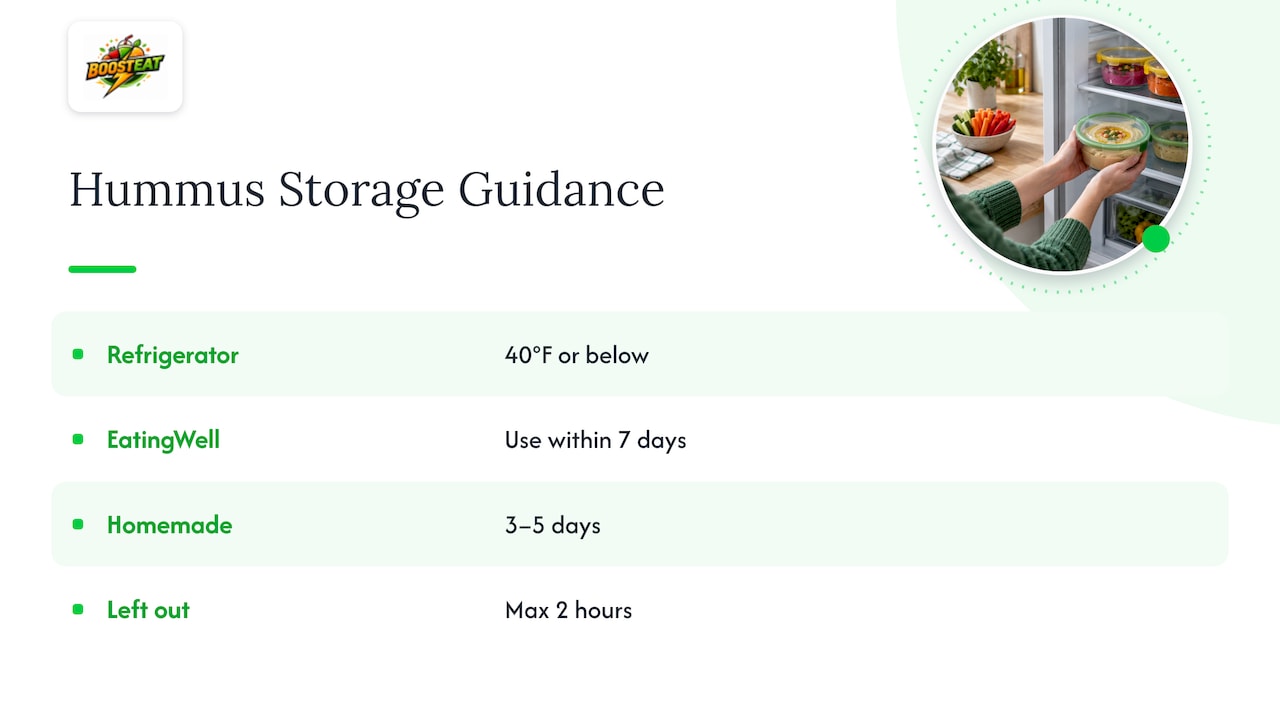
Keep hummus in an airtight container in the refrigerator at 40°F or below. EatingWell advises using it within 7 days and not leaving it out for more than 2 hours. Throw it out if you see mold or notice an off smell or sour taste.
A registered dietitian, Jenna Braddock, is more cautious and says homemade hummus generally keeps 3 to 5 days because it has no commercial preservatives. Our advice: plan for the shorter window, especially for versions with yogurt, roasted vegetables or fresh herbs, and make small batches. A thin layer of olive oil on top and a clean spoon every time help.
Our perspective on hummus
We see hummus as one of the most useful recipes a home cook can learn. It is cheap, it takes minutes, and it fits many of the needs our readers write about: vegan and gluten-free eating, a quick snack for kids, a protein-rich lunch for a busy workday. Because you control the salt, oil and ingredients, you can make a dip that suits your family’s tastes.
Our advice is to master the base recipe first, and then change one thing at a time. Swap the beans, add a roasted vegetable, fold in yogurt. Keep the batches small, taste as you go, and keep a few raw vegetables cut and ready in the refrigerator so the dip actually gets eaten. Healthy habits stick when they are easy, and hummus is easy.
— Simos
Keep your recipes in one place
If you like having tested recipes at hand, Boost Eat Member’s Kitchen collects our healthy, family-friendly recipes, from smoothies and snacks to Greek dishes. It costs €7 per month or €70 per year.
You can see what is included on the Member’s Kitchen page, or browse free ideas on the Boost Eat homepage. If you are cutting back on sugar, our sugar-free jam guide pairs well with a snack board.
FAQ
What is the secret to good hummus?
Blend longer than you expect and use ice-cold water. Whipping the tahini with lemon juice first, and using very soft chickpeas, also gives a creamier, fluffier texture. Fresh tahini and fresh lemon juice make a noticeable difference in flavor.
Do I need tahini to make hummus?
No. You can use butter beans, or chickpeas with extra olive oil and cold water. The flavor is milder and less nutty than traditional hummus, so add cumin, lemon zest or roasted garlic to compensate. If you avoid sesame for health reasons, check all labels carefully.
How long does homemade hummus last?
Sources vary: EatingWell says up to 7 days when kept at 40°F or below, while a registered dietitian suggests 3 to 5 days. Store it airtight, keep it cold, and discard it if it smells off, tastes sour or shows mold.
Should I use canned or dried chickpeas?
Canned chickpeas are quick and give good results, especially if you blend them well. Dried chickpeas, soaked and cooked until very soft, usually taste better and give a smoother texture, but need much more time. For a weeknight snack, canned is a sensible choice.
What can I mix into hummus?
Roasted beets, roasted red peppers, roasted garlic, avocado, herbs and Greek yogurt all blend in well. Add them in small amounts and reduce the water so the dip does not get thin. Taste and adjust the lemon and salt after each addition.
Sources
Hummus, The Nutrition Source (Harvard T.H. Chan School of Public Health)
Make game-changing hummus with this easy technique, BBC Food
Turmeric chicken with butter bean hummus and roasted peppers, BBC Good Food
How Long Store-Bought and Homemade Hummus Can Last, Jenna Braddock
Recommended
General Entertainment & Information Purposes Only. At Boost-Eat.com and our partners we share content for general entertainment and information. It’s not medical, dermatological, nutritional, or fitness advice and shouldn’t replace guidance from a licensed professional. If you’re making health-related decisions, please check with a qualified expert — and know that using this site and its information is at your own discretion.
Discover more from BOOST EAT
Subscribe to get the latest posts sent to your email.

