
What Is a Smoothie?
A smoothie is a blended drink typically made from fruits, vegetables, and a liquid such as water, milk, or plant-based milk. Depending on the recipe, smoothies can also contain yogurt, oats, nuts, seeds, nut butter, or protein powder.
Because smoothies are so customizable, they can be enjoyed as a refreshing snack, breakfast, post-workout drink, or more substantial meal.
But smoothies aren’t a new invention. Their popularity has developed over many decades, alongside the growth of electric blenders and health-conscious eating.
A Brief History of Smoothies
While blending fruit with milk or yogurt has been practiced for centuries in Mediterranean, Indian, and South American cultures (think of the traditional Indian Lassi), the modern smoothie as we know it took shape in the United States during the 1930s.
The idea of blending fruit and other ingredients into a drink became much easier with the introduction and increasing availability of electric blenders during the 20th century. The invention of the electric blender by Stephen Poplawski and Fred Waring changed everything. Health food stores on the West Coast began blending tropical fruits based on recipes brought over from Brazil.
By the middle of the century, blended fruit drinks were becoming associated with health-food stores and vegetarian lifestyles, particularly in the United States. The term “smoothie” was popularized in the 1960s and 1970s with the rise of the macrobiotic health movement. A young man named Steven Kuhnau, who suffered from allergies and blood sugar issues, began blending fruits, nutrients, and ice to create an alternative to milkshakes. Realizing others could benefit, he founded Smoothie King in 1973, sparking the commercial smoothie boom that exploded into the mainstream during the 1990s and 2000s. Since then, smoothies transitioned into mainstream retail, evolving to incorporate specialized superfoods, plant-based milks, and leafy greens.
Over time, smoothies moved from specialty health-food shops into mainstream cafés, restaurants, juice bars, supermarkets, and home kitchens.
Today, smoothies are available in countless varieties. Some focus primarily on fruit, while others combine vegetables, dairy or plant-based products, seeds, grains, and protein-rich ingredients.
If you want to learn more about health and nutrition, nutrition courses provide a valuable opportunity for individuals seeking to deepen their understanding of dietary practices and the science behind nutrition. By exploring diverse topics such as macronutrients, micronutrients, and the impact of food on overall health, these courses empower participants to make informed dietary choices. Whether you aim to enhance personal wellness, support others in their nutritional journeys, or consider a career in health and wellness, enrolling in nutrition courses equips you with essential knowledge. This foundational knowledge can be a key asset for creating delicious and nutritious smoothies, improving meal planning, and adopting a balanced diet that aligns with your health goals.
What Are the Benefits of Smoothies?
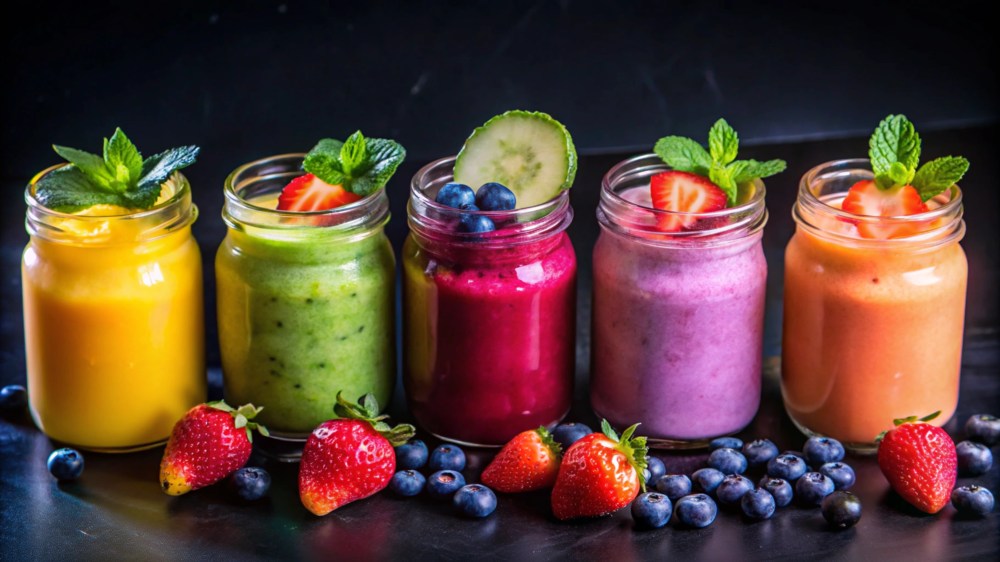
One of the main reasons smoothies remain popular is their versatility. The ingredients can be changed to suit individual tastes and nutritional preferences.
Here are some of the potential benefits of smoothies.
1. Smoothies Can Help You Eat More Fruits and Vegetables
Blending makes it convenient to combine several fruits or vegetables in one drink.
Common choices include:
- Bananas
- Strawberries
- Blueberries
- Mangoes
- Pineapple
- Spinach
- Kale
- Cucumber
- Carrots
Using a variety of produce can help make smoothies more interesting while providing different nutrients.
2. Smoothies Are Quick and Convenient
A smoothie can often be prepared in just a few minutes. This makes it a convenient option for busy mornings or when you need a quick snack.
Frozen fruit can make preparation even easier because it doesn’t need to be washed, peeled, or cut immediately before blending.
They provide an easy way for individuals (and picky children) to consume multiple servings of bitter or tough raw vegetables seamlessly.
3. Smoothies Are Highly Customizable
One of the biggest advantages of smoothies is that you can easily change the ingredients.
You can choose:
- Dairy or plant-based milk
- Different fruits
- Vegetables and leafy greens
- Yogurt
- Seeds
- Nut butter
- Oats
- Protein powder
This flexibility makes it possible to create smoothies with different flavors, textures, and nutritional profiles.
4. Smoothies Can Retain Fiber
When whole fruits and vegetables are blended, the resulting smoothie generally retains much of the produce’s fiber.
Unlike juicing, smoothies pulverize the entire ingredient, keeping dietary fiber intact to aid digestion and steady blood sugar spikes.
This is one important difference between smoothies and many juices, where the pulp is removed during extraction.
5. Smoothies Can Include Protein and Healthy Fats
You can easily add healthy fats, complex carbohydrates, and clean proteins to transform a simple beverage into a fully satisfying, calorie-appropriate meal.
Adding Greek yogurt, nuts, seeds, nut butter, tofu, or another protein-rich ingredient can make a smoothie more substantial.
Ingredients such as chia seeds, flaxseeds, and nuts can also contribute fats and fiber.
Tips for using Nuts
Soak them first: Soak hard nuts like almonds or walnuts in water for 1–2 hours (or overnight) to soften them for a smoother blend.
Use a high-powered blender: A strong blender helps pulverize whole nuts completely so you do not get a gritty texture.
Try nut butter: If you have a standard blender, use a spoonful of natural nut butter (like peanut or almond butter) instead of whole nuts for an easy, smooth mix.
Best choices: Cashews blend into a very creamy texture, while almonds and walnuts add great nutrients like omega-3s and vitamin E.
6. Smoothies Can Be Part of a Balanced Diet
A smoothie can combine several food groups in one convenient drink.
For example, a breakfast smoothie might contain:
Fruit + Greek yogurt + oats + seeds + milk
This combination provides carbohydrates from fruit and oats while adding protein and fats from the other ingredients.
Incorporating a calories tracker app like Nutrinixy can be a valuable tool for those looking to monitor their nutritional intake, especially when it comes to smoothies. With Nutrinixy, users can easily log their smoothie ingredients and receive detailed information on calorie counts, macronutrient breakdowns, and overall nutritional value. This enables individuals to make informed choices about their smoothies, ensuring that they align with their dietary goals while enjoying a variety of flavors and combinations. Whether you’re a health enthusiast or just starting your wellness journey, this app can simplify tracking and elevate your smoothie-making experience.
What Are the Disadvantages of Smoothies?
Although smoothies can be nutritious, they aren’t automatically healthy. The ingredients, quantities, and overall portion size matter.
Here are some potential smoothie disadvantages to consider.
1. Smoothies Can Contain a Lot of Sugar
Fruit naturally contains sugar, and using several portions of fruit in one smoothie can produce a relatively sweet drink. Blending fruit releases “free sugars” from cell walls. Heavy reliance on sweet fruits, honey, or juices can turn a healthy snack into a high-calorie sugar bomb.
The sugar content can increase further if you add:
- Fruit juice
- Sweetened yogurt
- Honey
- Syrups
- Sweetened plant-based milk
For a less sugary smoothie, consider using whole fruit and unsweetened liquids and yogurt.
2. Smoothie Calories Can Add Up Quickly
Some smoothie ingredients are energy-dense. Nut butter, nuts, oats, coconut products, and large quantities of seeds can substantially increase the calorie content.
Liquid calories are typically metabolized faster than solid foods, which can sometimes leave you feeling hungry sooner than if you ate the same ingredients raw.
These can all be nutritious ingredients, but portion size remains important.
3. Store-Bought Smoothies Can Differ From Homemade Smoothies
Commercial smoothies can vary considerably in their ingredients and nutritional content.
Some may contain added sugars or large quantities of sweet ingredients. If you’re buying a smoothie, checking its ingredient list and nutrition information can help you make a more informed choice.
4. Smoothies Are Easy to Consume Quickly
Blending makes food much easier to drink. While this is convenient, it can also make it easy to consume a large amount of fruit or other ingredients in a short period.
If not consumed shortly after blending, exposure to light and air initiates enzyme breakdown, slightly reducing overall nutritional potency over time.
For some people, eating whole foods may feel more satisfying than drinking them.

How to Make a Smoothie Taste Better
Healthy ingredients don’t have to mean boring flavors. A few simple techniques can make a major difference.
Use Naturally Sweet, Ripe Fruit
Ripe bananas, mangoes, strawberries, and other naturally sweet fruits can improve the flavor without requiring much additional sweetener.
Bananas are especially useful because they provide both sweetness and a creamy texture.
Use Frozen Fruit for a Thicker Smoothie
Frozen berries, mango, pineapple, and banana can give your smoothie a cold, thick texture.
Frozen fruit can also reduce the need for ice, which can sometimes dilute the flavor.
Balance Sweet and Acidic Flavors
A smoothie can taste flat if it contains only sweet ingredients.
Try adding a small amount of:
- Lemon juice
- Lime juice
- Orange juice
- Plain yogurt
- Tart berries
Acidic flavors can provide contrast and make a smoothie taste fresher. Acidity instantly cuts through earthy greens and activates fruit profiles.
Add Spices and Flavor Boosters
Small amounts of ingredients such as cinnamon, nutmeg, turmeric, ginger, vanilla, cocoa powder, or fresh mint can add complexity and cuts through bitter greens and adds structural warmth.
For example, cinnamon works particularly well with banana and apple, while cocoa pairs naturally with banana.
Add a Creamy Ingredient
For a richer texture, consider adding:
- Greek yogurt
- Banana
- Avocado
- Nut butter
- Silken tofu
A creamy ingredient can make the smoothie feel smoother and more satisfying.
Use Natural Complex Sweeteners
Instead of refined white sugar, drop in 1 or 2 pitted Medjool dates, raisins, a teaspoon of raw honey, agave syrup or pure maple syrup for a deep, rounded sweetness.
Tips for Using Raisins in Smoothies
- Soak them first: Soak hard or dry raisins in warm water or milk for 10 minutes before blending so they break down completely.
- Use a high-powered blender: Standard blenders may leave small, chewy bits of skin behind unless the raisins are soaked or blended thoroughly.
- Popular flavor combos: Pair raisins with rolled oats, frozen bananas, cinnamon, vanilla extract, and milk (like almond or oat milk).
- Natural sweetener: Use them as a sugar alternative in fruit blends.
Add a Creamy Ingredient
A single drop of pure vanilla or almond extract, or a tablespoon of unsweetened cacao powder, can trick your palate into thinking you are drinking a rich dessert.
What Are the Best and Most Common Smoothie Ingredients?
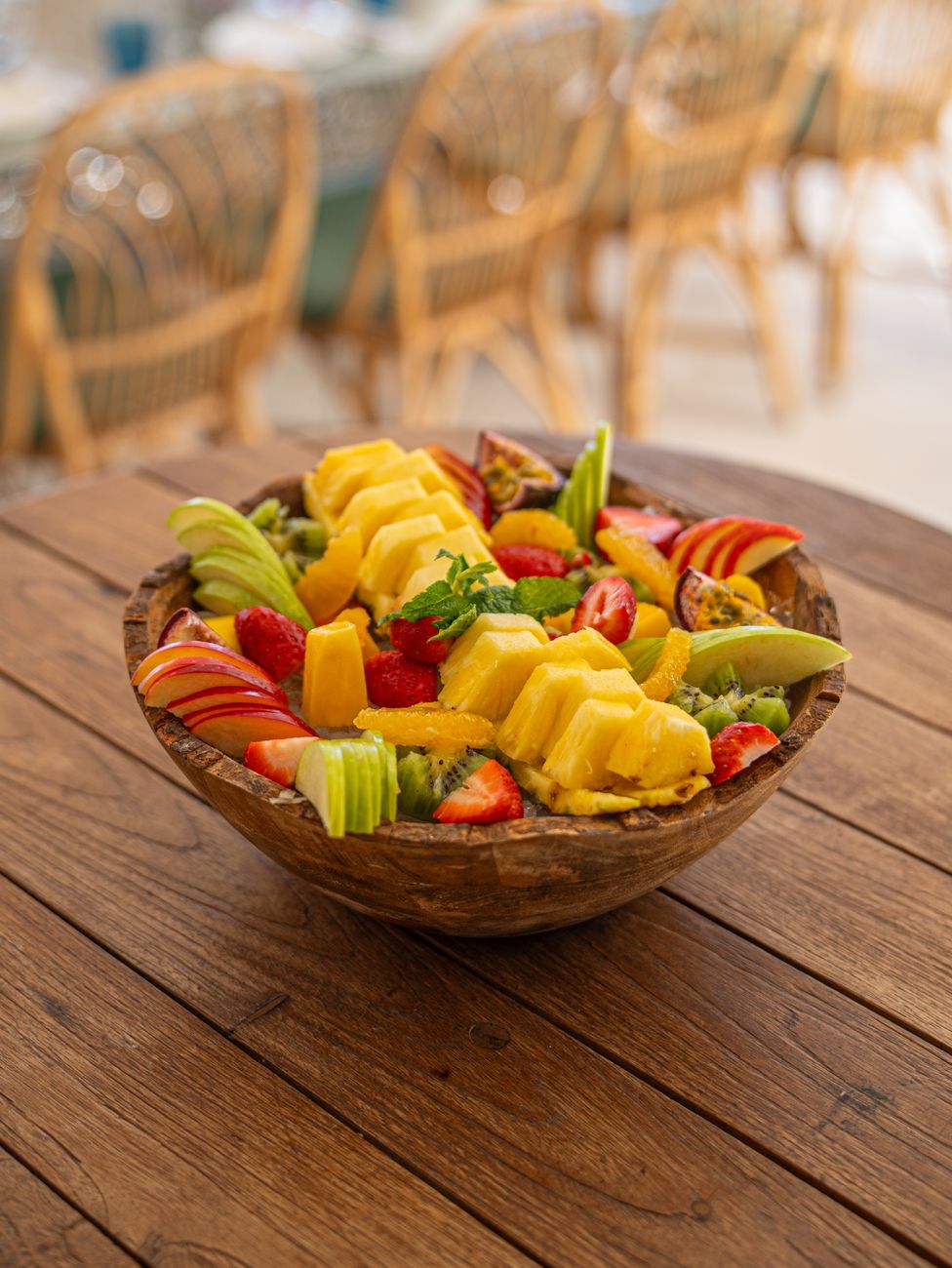
There is no single list of “best” ingredients because the ideal smoothie depends on your taste and nutritional goals. However, some ingredients are particularly versatile and commonly used.
Best Fruits for Smoothies
Banana
Bananas are among the most popular smoothie ingredients. They add natural sweetness and create a creamy texture.
Berries
Strawberries, blueberries, raspberries, and blackberries for low-glycemic antioxidants provide strong fruit flavors and work well in both dairy-based and plant-based smoothies.
Mango
Mango gives smoothies a naturally sweet, tropical flavor and a smooth texture.
Pineapple
Pineapple adds sweetness and acidity, making it particularly useful in tropical smoothies.
Apple
Apples can add sweetness and freshness, especially when combined with spinach, cucumber, or ginger.
Avocado
Although technically a fruit which provides luxurious, heart-healthy fats, avocado is generally used for texture rather than sweetness. It can make smoothies exceptionally creamy.
Best Vegetables and Greens for Smoothies
Spinach
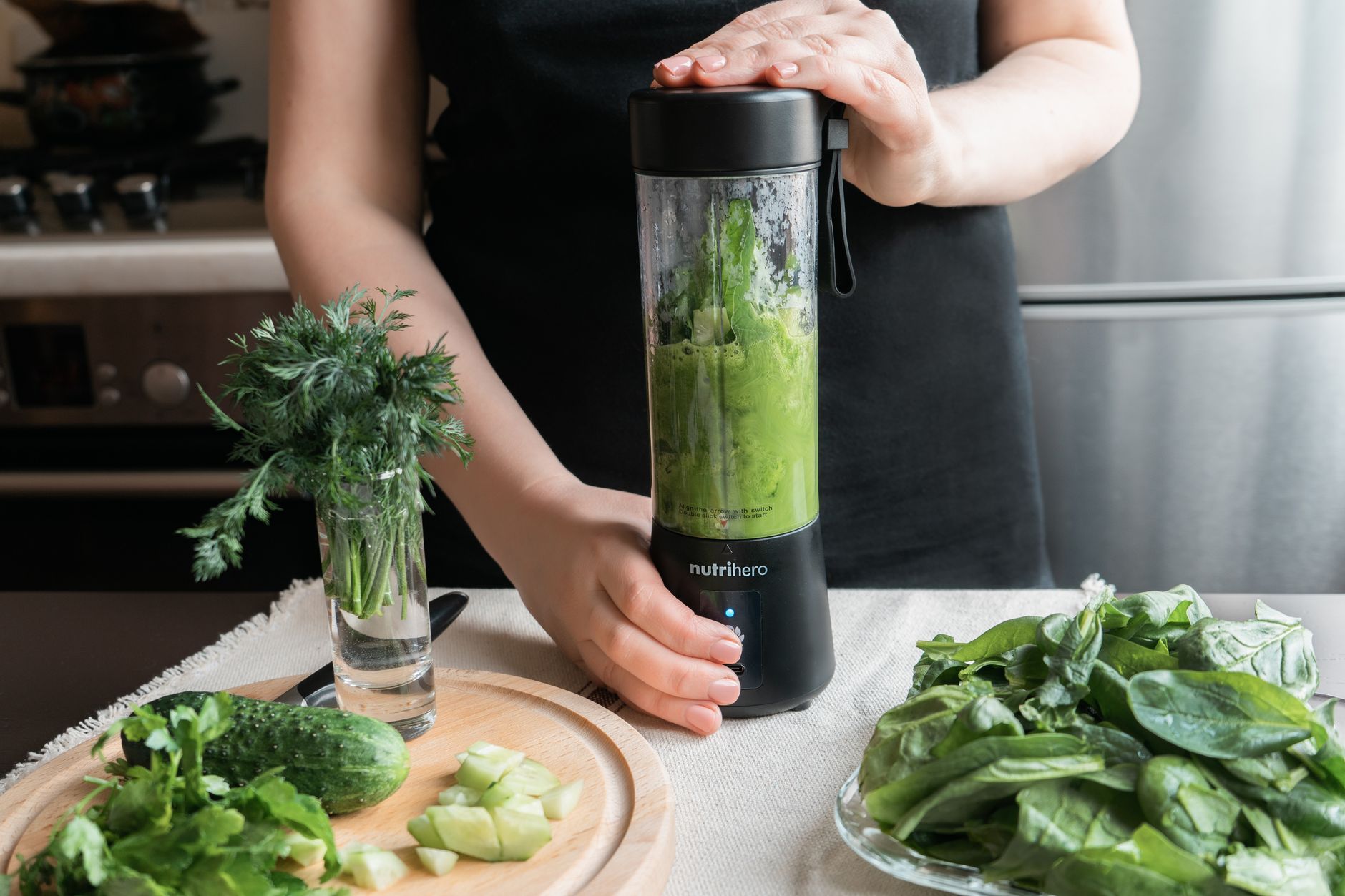
Spinach (completely tasteless when blended) is a common ingredient in green smoothies because its flavor can be relatively mild when combined with sweet fruits.
Kale
Kale provides a stronger green flavor and can be combined with fruits such as banana, pineapple, or mango.
Cucumber
Cucumber contributes freshness and a high-water-content texture, making it useful for lighter smoothies.
Carrots
Carrots provide natural sweetness and work well with orange, pineapple, apple, and ginger.
Best Liquid Bases for Smoothies
The liquid base affects both the consistency and flavor.
Popular choices include:
- Water
- Cow’s milk
- Almond milk
- Soy milk
- Oat milk
- Coconut water
Note: Avoid relying heavily on store-bought fruit juices to keep sugars down.
For a creamy smoothie, milk or a suitable plant-based milk can work well. For a lighter, more refreshing smoothie, water or coconut water may be preferable.
Protein-Rich Smoothie Ingredients
If you’re making a smoothie that is intended to be more filling, consider adding a source of protein.
Popular options include:
- Greek yogurt
- Plain yogurt
- Milk
- Soy milk
- Silken tofu
- Nut butter
- Protein powder
The best choice depends on your dietary preferences and the overall recipe.
Seeds and Other Smoothie Add-Ins
Seeds and grains can add texture and nutritional variety.
Common options include:
- Chia seeds
- Flaxseeds
- Hemp seeds
- Oats
- Almonds
- Walnuts
- Cocoa powder
- Cinnamon
- Ginger
As with any ingredient, moderation and balance are important.
Smoothies vs. Juice: What’s the Difference?
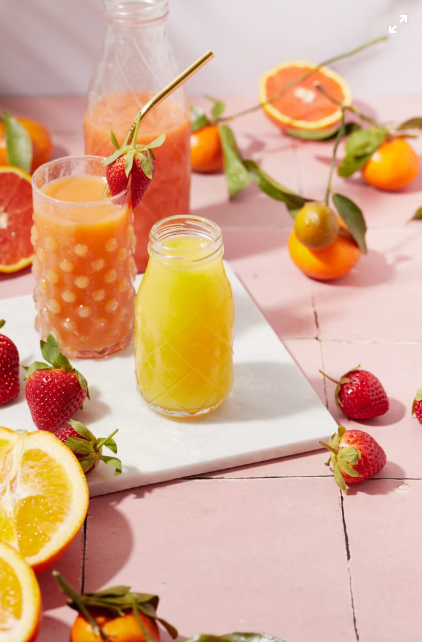
Smoothies and juices are both popular fruit and vegetable drinks, but the preparation methods are different.
| Feature | Smoothies | Juice |
|---|---|---|
| Preparation | Fruits and vegetables are blended | Strips out the solid pulp and skin |
| Fiber | High (retains soluble and insoluble fiber) Usually retains much of the fiber | Extremely Low (fiber discarded) Often contains little or no pulp |
| Texture | Dispersed over a larger, thicker volume | Highly Concentrated per fluid ounce, usually thin |
| Ingredients | Can include fruit, vegetables, yogurt, oats, seeds, etc. | Usually fruit and/or vegetables |
| Fullness | Can be more substantial, gradual absorption; steady energy release | Often lighter, rapid absorption; immediate energy spike |
| Meal option | Can be designed as a meal | Usually consumed as a beverage |
| Versatility | Excellent for nuts, seeds, yogurt, and powders | Limited primarily to water-rich produce |
| Equipment | Blender | Juicer or juice extractor |
Are Smoothies Healthier Than Juice?
There isn’t a universal answer.
Smoothies can retain much of the fiber from whole fruits and vegetables, while juicing typically separates the juice from much of the pulp.
On the other hand, the nutritional profile of either drink depends heavily on what goes into it.
A smoothie made with several fruits, sweetened yogurt, juice, and syrup can be very different from a simple vegetable-and-berry smoothie.
Likewise, freshly prepared vegetable juice can be quite different from a highly sweetened commercial juice drink.
The important factors are the ingredients, portions, and overall diet rather than simply choosing one category over the other.
How to Build a Healthy Smoothie
A simple formula can help you create balanced smoothies without complicated recipes.
Step 1: Choose Your Fruit
Start with one or two fruits.
Examples: banana, berries, mango, pineapple, or apple.
Step 2: Add Vegetables or Greens
If you enjoy them, add spinach, kale, cucumber, or carrots.
Step 3: Choose a Liquid
Add water, milk, soy milk, oat milk, almond milk, or coconut water.
Step 4: Add Protein
Try Greek yogurt, plain yogurt, tofu, nut butter, or protein powder.
Step 5: Add Optional Extras
Depending on the recipe, you can add oats, chia seeds, flaxseed, cinnamon, cocoa powder, or ginger.
Step 6: Adjust the Texture
Use frozen fruit for a thicker smoothie or add more liquid for a thinner consistency.
Common Smoothie Don’ts: Mistakes to Avoid When Making Smoothies
Making a smoothie seems simple: add your ingredients, blend, and enjoy. But a few common mistakes can turn a potentially delicious smoothie into something watery, overly sweet, bitter, or unnecessarily high in calories.
Here are some of the most common smoothie mistakes to avoid.
1. Don’t Add Too Much Liquid
Adding too much milk, water, or juice can make your smoothie thin and watery.
What to do instead: Start with a small amount of liquid and add more gradually until you reach the consistency you want.
2. Don’t Add Too Much Fruit
Fruit is an excellent smoothie ingredient, but using large quantities of several sweet fruits can make the drink extremely sweet.
For example, combining banana, mango, pineapple, dates, and fruit juice may produce more sweetness than you actually need.
What to do instead: Start with one or two fruits and balance them with vegetables, plain yogurt, or other ingredients.
3. Don’t Rely on Fruit Juice as Your Main Liquid
Fruit juice can make a smoothie taste delicious, but it can also add additional sugar without providing the same amount of fiber as whole fruit.
What to do instead: Try water, milk, unsweetened plant-based milk, or coconut water. If you use juice, consider using a smaller amount for flavor.
4. Don’t Add Too Much Sweetener
Honey, maple syrup, sugar, dates, and syrups can all increase sweetness.
If your smoothie already contains naturally sweet fruit, you may not need an additional sweetener.
What to do instead: Taste the smoothie before adding anything extra. A ripe banana or mango may provide enough sweetness on its own.
5. Don’t Throw Every “Healthy” Ingredient Into the Blender
Adding spinach, kale, avocado, chia seeds, flaxseed, oats, protein powder, nut butter, ginger, turmeric, berries, banana, and several other ingredients to the same smoothie doesn’t necessarily make it better.
Too many strong flavors can produce an unpleasant taste and texture.
What to do instead: Keep most smoothies simple. Three to six main ingredients are often enough.
6. Don’t Forget About Portion Size
Healthy ingredients still contain calories. Large quantities of nut butter, nuts, seeds, oats, coconut products, or dried fruit can make a smoothie much more calorie-dense than expected.
What to do instead: Pay attention to portions, particularly when using several energy-dense ingredients in the same recipe.
7. Don’t Use Too Much Ice
Ice can make a smoothie cold, but excessive amounts can dilute the flavor and make the drink watery.
What to do instead: Use frozen fruit instead of relying entirely on ice. Frozen bananas and berries are particularly useful for creating a thick, cold smoothie.
8. Don’t Ignore Texture
A smoothie can taste good but still be unpleasant if it’s too thick, too watery, gritty, or fibrous.
Ingredients such as chia seeds, flaxseed, oats, kale, and some protein powders can significantly change the texture.
What to do instead: Add these ingredients gradually and adjust the liquid as needed.
9. Don’t Blend Everything at Once
Some ingredients blend more easily than others. Large pieces of frozen fruit or hard vegetables can be difficult for some blenders to process.
What to do instead: Cut large ingredients into smaller pieces and add liquid before blending. If necessary, blend in stages.
10. Don’t Overload Your Blender
Filling a blender beyond its recommended capacity can prevent the ingredients from circulating properly.
This can leave you with chunks of fruit or vegetables at the bottom or sides of the blender.
What to do instead: Follow the blender manufacturer’s capacity guidelines and blend smaller batches when necessary.
11. Don’t Use Ingredients That Have Gone Bad
A smoothie can sometimes hide the appearance or texture of slightly spoiled ingredients, but blending does not make spoiled food safe.
What to do instead: Use fresh ingredients and discard produce that shows clear signs of spoilage.
12. Don’t Leave a Smoothie Sitting Around for Too Long
Freshly prepared smoothies generally have the best taste and texture. Over time, ingredients can separate, oxidize, or lose their fresh flavor.
What to do instead: Drink your smoothie soon after preparing it. If you need to store it, keep it refrigerated in a suitable sealed container and follow normal food-safety practices.
13. Don’t Assume Every Smoothie Is Automatically Healthy
One of the biggest smoothie misconceptions is that anything blended with fruit must be healthy.
A smoothie containing large amounts of sweetened yogurt, juice, syrup, nut butter, and several servings of fruit can have a very different nutritional profile from a simple homemade smoothie.
What to do instead: Look at the complete recipe rather than judging a smoothie by one ingredient.
14. Don’t Ignore Flavor Balance
A smoothie can become too sweet, too sour, too bitter, or too earthy.
For example, a large amount of kale or spinach combined with an insufficient amount of fruit may create a strong vegetable flavor.
What to do instead: Balance flavors. Sweet fruit can offset bitter greens, while lemon or lime can brighten a heavy or overly sweet smoothie.
The Most Common Smoothie Mistakes at a Glance
| Mistake | What Can Happen | Better Approach |
|---|---|---|
| Too much liquid | Watery smoothie | Add liquid gradually |
| Too much fruit | Excessive sweetness | Use 1–2 main fruits |
| Too much juice | Extra sweetness | Use water or unsweetened milk |
| Too much sweetener | Overly sweet drink | Taste before adding |
| Too many ingredients | Confusing flavors | Keep recipes simple |
| Too many calorie-dense ingredients | Very high-calorie smoothie | Watch portions |
| Too much ice | Diluted flavor | Use frozen fruit |
| Too many seeds/oats | Gritty or thick texture | Add moderate amounts |
| Overloading the blender | Uneven blending | Blend smaller batches |
| Spoiled ingredients | Food-safety risk | Use fresh produce |
| Poor flavor balance | Bitter, sour, or overly sweet taste | Balance sweet, tart, and savory flavors |
| Storing too long | Separation and reduced freshness | Drink soon after preparation |
The Simple Rule for Better Smoothies
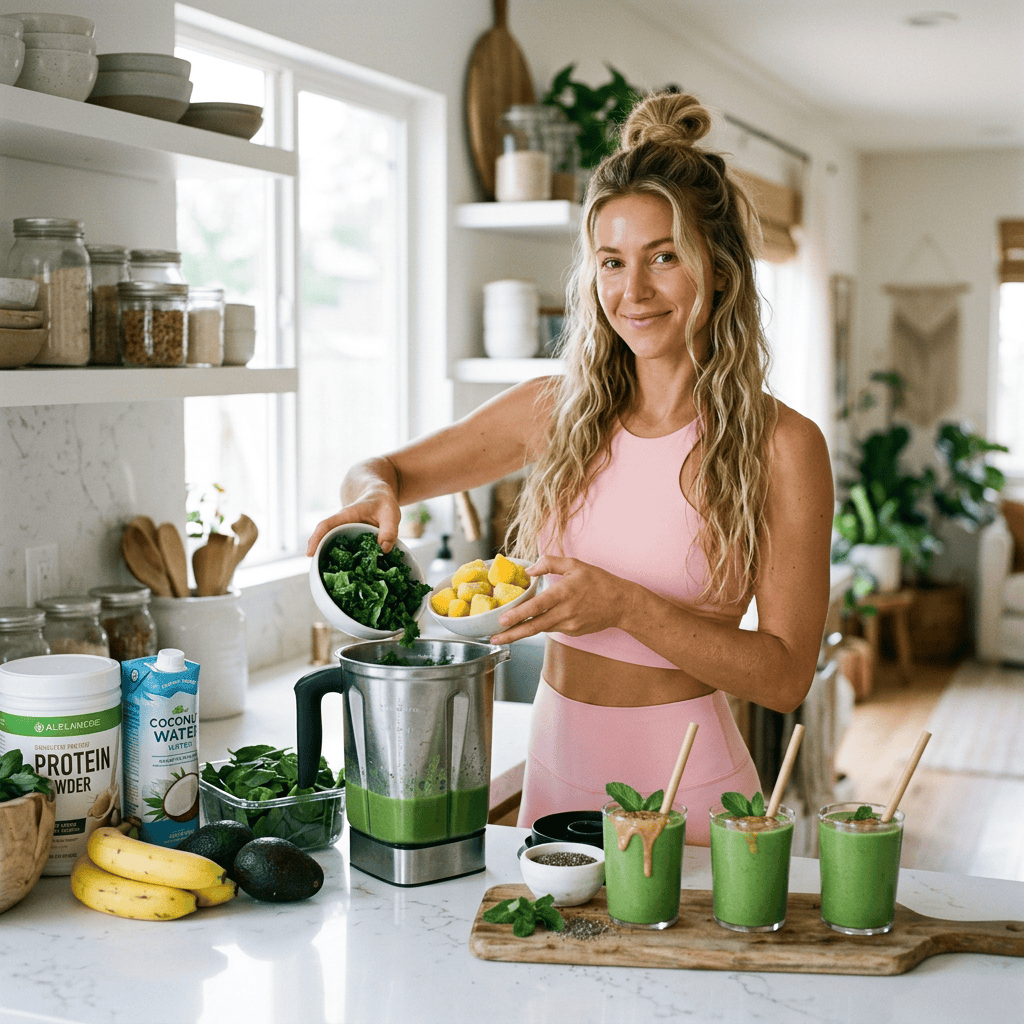
You don’t need a complicated recipe to make a great smoothie.
A simple formula is often enough:
1–2 fruits + 1 vegetable or green + a liquid base + 1 protein-rich ingredient + optional extras
Start with a small amount of liquid, blend, taste, and adjust. This approach gives you much more control over the final flavor and texture.
The biggest smoothie mistake is often trying to add too much of everything. A few well-matched ingredients can produce a better smoothie than a blender packed with every ingredient in your kitchen.
5 Popular Smoothie Combinations to Try
1. Classic Berry Smoothie
Banana + strawberries + blueberries + Greek yogurt + milk
A creamy, fruity combination that’s easy to prepare.
2. Tropical Smoothie
Mango + pineapple + banana + coconut water
A refreshing option with a naturally tropical flavor.
3. Green Smoothie
Spinach + banana + apple + lemon + water
A simple way to introduce leafy greens into a fruit-based smoothie.
4. Chocolate Banana Smoothie
Banana + milk + unsweetened cocoa powder + Greek yogurt + nut butter
A creamy choice for chocolate lovers.
5. Breakfast Smoothie
Banana + berries + oats + Greek yogurt + milk + chia seeds
A more substantial combination that brings together fruit, grains, protein, and seeds.
Frequently Asked Questions About Smoothies
What is the most popular smoothie ingredient?
Banana is one of the most common smoothie ingredients because it provides natural sweetness and a creamy texture. Berries, mango, pineapple, yogurt, and milk or plant-based milk are also widely used.
Are smoothies good for you?
Smoothies can be part of a balanced diet, particularly when they contain a variety of whole fruits and vegetables and are not overloaded with added sugars or very large portions.
Are smoothies better than juice?
Smoothies and juices have different characteristics. Smoothies generally retain more of the original fruit or vegetable, including much of its fiber, while juice is typically thinner and contains less pulp.
How can I make my smoothie sweeter naturally?
Try using ripe bananas, mangoes, dates, or other naturally sweet fruit. You can also adjust the sweetness by changing the ratio of tart to sweet ingredients.
What makes a smoothie creamy?
Bananas, Greek yogurt, avocado, nut butter, milk, and silken tofu can all contribute to a creamy smoothie texture.
Can a smoothie replace breakfast?
A smoothie can be designed to be more substantial by including ingredients such as fruit, vegetables, protein, and sources of fats or fiber. However, whether it works as a complete breakfast depends on the recipe and your individual nutritional needs.
Final Thoughts
Smoothies have come a long way from their roots in the early health-food movement. Today, they’re an accessible and highly customizable way to combine fruits, vegetables, dairy or plant-based ingredients, seeds, grains, and other foods.
The main advantages of smoothies are their convenience, versatility, and ability to incorporate a variety of whole-food ingredients. However, their nutritional value depends on what you add. Excessive amounts of fruit, sweeteners, or calorie-dense ingredients can quickly change the character of a smoothie.
For a great smoothie, focus on simple combinations, balanced flavors, whole-food ingredients, and appropriate portions.
Whether you prefer a classic berry smoothie, a refreshing green blend, or a tropical combination, the best smoothie is ultimately one that tastes good, fits your dietary preferences, and is easy enough to make regularly.
Start with a few good ingredients, blend, taste, adjust—and enjoy.
Change your daily routine NOW!!!

