
Coffee: More Than Just a Morning Drink
For millions of people around the world, coffee is an essential part of the morning routine. Its rich aroma, distinctive flavor, and caffeine content make it one of the most popular beverages worldwide. Coffee is a globally popular brewed beverage made from roasted coffee beans, offering a mix of rich history, health perks, drawbacks, and caffeine-free alternatives.
But how did coffee become such an important part of our daily lives? And is drinking coffee always a good choice?
Understanding the history of coffee, its potential benefits and disadvantages, and the available coffee alternatives can help you make a choice that suits your lifestyle.
Whether you are a dedicated coffee lover, trying to reduce caffeine, or looking for a healthier alternative to your daily cup, there are plenty of options to explore.
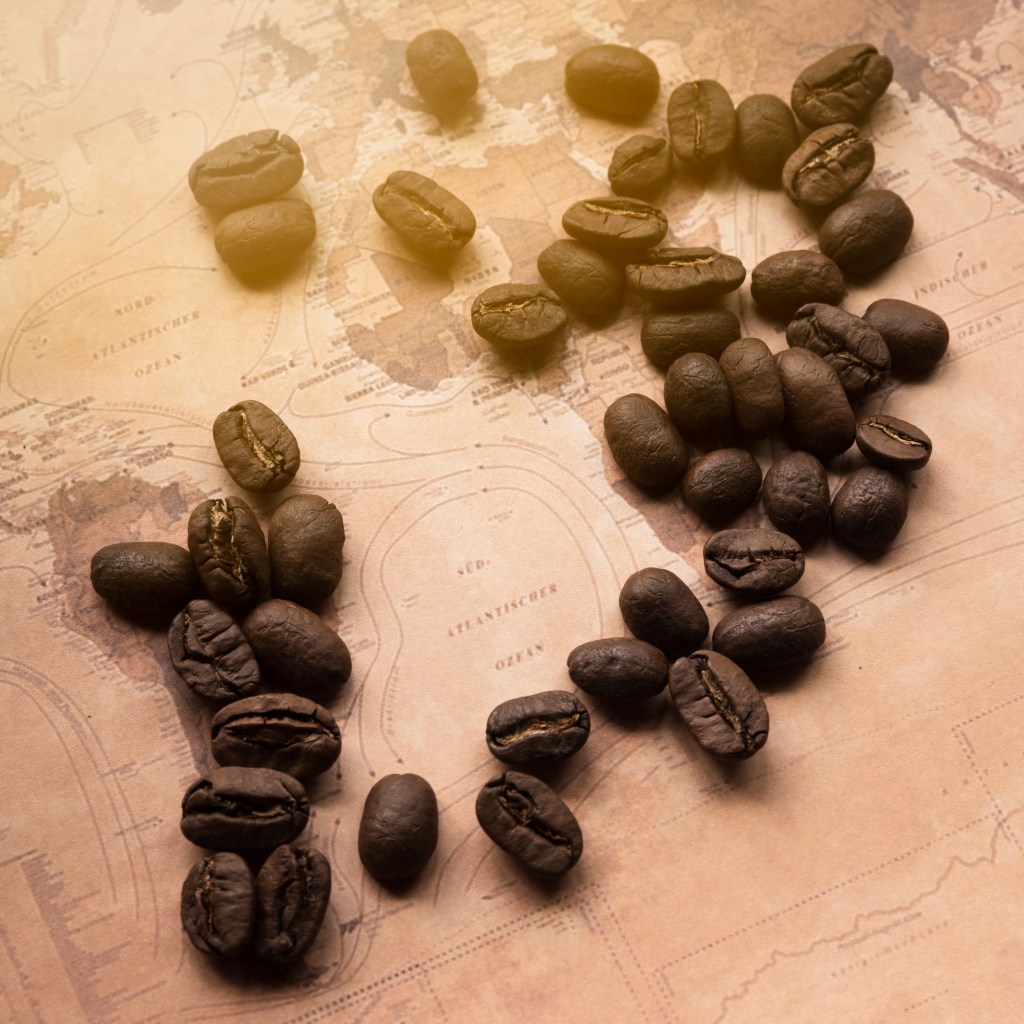
The History of Coffee
The history of coffee is closely connected with Ethiopia and the Arabian Peninsula.
Coffee plants are believed to have originated in Ethiopia. One famous legend tells the story of a goat herder named Kaldi, who supposedly noticed that his goats became energetic after eating the berries from a particular plant. Although there is no reliable historical evidence confirming this story, it remains one of the most popular legends surrounding coffee.
From Ethiopia, coffee cultivation and consumption spread to Yemen and other parts of the Arabian Peninsula. By the 15th century, coffee was being cultivated in Yemen, and coffee houses began developing as important social spaces. Sufi monasteries in Yemen used coffee to stay awake during late-night prayers.
These early coffee houses were places where people could meet, talk, exchange information, listen to music, and enjoy entertainment.
Coffee eventually traveled to Europe during the 17th century. Coffee houses spread across the Middle East, Europe, and the Americas during the 17th and 18th centuries, transforming social and intellectual life. Coffee houses became popular in cities including London, Paris, and Vienna.
European colonial powers later established coffee plantations in tropical regions around the world. Today, coffee is cultivated in many countries located within the tropical region known as the Coffee Belt.
Some of the world’s major coffee-producing countries include Brazil, Vietnam, Colombia, Ethiopia, and Indonesia.
What began as a regional beverage eventually became a global industry and an important part of everyday culture.
What Makes Coffee So Popular?
One of the main reasons people drink coffee is caffeine.
Caffeine is a natural stimulant that can temporarily increase alertness and reduce feelings of tiredness. This makes coffee particularly popular among people who need to start their day, study, work long hours, or maintain concentration.
However, caffeine is only part of the story.
Coffee also offers:
- A distinctive taste and aroma
- A comforting daily ritual
- Social opportunities
- A convenient source of caffeine
- Naturally occurring antioxidant compounds
For many people, going out for coffee or preparing a cup at home is also a social and emotional experience.
Benefits of Drinking Coffee
Coffee can have several potential advantages when consumed in moderation and as part of an overall balanced lifestyle.
Mental Focus: Improves alertness, cognitive function, and memory.
Disease Prevention: Lowers the risk of type 2 diabetes, Parkinson’s disease, Alzheimer’s, and certain liver conditions.
Antioxidant Source: Packed with polyphenols that reduce inflammation and support gut health.
1. Coffee Can Increase Alertness

One of the best-known benefits of coffee is its ability to increase alertness.
Caffeine interacts with the brain and can temporarily reduce feelings of fatigue. This is why many people choose coffee when they wake up or need to stay focused during a demanding day. There are coffee subscription services for rich, delicious coffee delivered in 100% compostable pods for Keurig® and Nespresso® machines, along with sustainably sourced ground coffee.
2. Coffee May Support Concentration
Caffeine can improve attention and mental alertness for some people.
A moderate amount of coffee may therefore be useful when studying, working, driving, or completing tasks that require sustained attention.
However, more caffeine does not necessarily mean better concentration. Excessive consumption can have the opposite effect by causing restlessness or anxiety.
3. Coffee Contains Antioxidant Compounds
Coffee contains naturally occurring compounds with antioxidant properties.
Antioxidants help protect cells from oxidative stress. Coffee can therefore contribute antioxidant compounds to the diet, although it should not be considered a substitute for a varied diet rich in fruits, vegetables, whole grains, and other nutritious foods.
4. Coffee Can Be Part of a Social Routine
Coffee has an important social role in many cultures.
Meeting a friend for coffee, having a cup with colleagues, or sharing coffee with family can encourage conversation and social connection.
In this sense, the benefits of coffee can extend beyond its nutritional or physiological properties.
5. Coffee Can Be Enjoyable
Sometimes the simplest benefit is enjoyment. You can also learn how to make delicious coffee yourself. It doesn’t have to very complicated process since many coffee maker machines simplify the coffee making and implement ready-made programs. For example Delonghi with their in built-programs enables 20 preset recipes like Automatic Espresso, Drip Coffee & Cold Brew just to name few. On top of that you also have options for hot and cold foam.
The smell of freshly brewed coffee, the taste, and the ritual of preparing it can make coffee a satisfying part of the day.
Disadvantages of Coffee
While coffee can have benefits, it is not suitable for everyone. The effects of caffeine vary from person to person.
Here are some common disadvantages of coffee to consider.
Sleep and Anxiety: Excessive intake can trigger jitters, anxiety, and insomnia.
Digestive Upset: May overstimulate stomach acid, aggravating acid reflux or ulcers.
Heart Rate: Can temporarily raise blood pressure and heart rate in sensitive individuals.
1. Coffee Can Affect Sleep
Caffeine can remain active in the body for several hours.
Drinking coffee later in the day may make it harder for some people to fall asleep or may affect sleep quality.
If you regularly experience poor sleep, consider limiting caffeine later in the day.
2. Too Much Coffee May Cause Jitters
High caffeine intake can cause symptoms such as:
- Restlessness
- Shakiness
- Nervousness
- Increased heart rate
- Difficulty relaxing
People have different levels of sensitivity to caffeine, so the amount that feels comfortable can vary considerably.
3. Caffeine Can Lead to Dependence
Regular caffeine consumption can lead to physical dependence.
People who suddenly stop drinking coffee after consuming it regularly may experience withdrawal symptoms, including:
- Headaches
- Tiredness
- Irritability
- Difficulty concentrating
For this reason, people who want to quit coffee may find it easier to reduce their intake gradually.
4. Coffee May Cause Digestive Discomfort
Some people find that coffee can cause stomach discomfort or aggravate acid reflux symptoms.
Individual responses vary, so paying attention to how your body reacts can help you decide whether coffee is right for you.
5. Some Coffee Drinks Contain a Lot of Sugar
Plain coffee is relatively low in calories, but specialty coffee beverages can be very different.
Large amounts of:
- Sugar
- Syrups
- Whipped cream
- Sweetened creamers
- Flavored sauces
can turn a simple cup of coffee into a much higher-calorie drink.
If reducing sugar is your goal, consider choosing unsweetened coffee or gradually reducing added sweeteners.
Why Are People Replacing Coffee?
There is no single reason everyone should stop drinking coffee.
For many people, moderate coffee consumption can fit into a healthy lifestyle. However, there are several reasons someone may decide to replace coffee.
Better Sleep
People who experience difficulty sleeping may reduce caffeine, particularly in the afternoon and evening.
Less Dependence on Caffeine
Some people dislike feeling that they need coffee to feel awake or function normally in the morning.
Replacing some caffeinated drinks with caffeine-free alternatives can help reduce overall caffeine consumption.
Digestive Comfort
If coffee appears to trigger stomach discomfort or reflux symptoms, switching to another beverage may be worth trying.
Reducing Sugar
Replacing sweetened coffee drinks with unsweetened tea or herbal drinks can help reduce added sugar intake.
Lifestyle Changes
Some people simply want to develop a new morning routine or discover different beverages.
The goal does not necessarily have to be quitting coffee completely. You can replace one cup a day, switch to decaf, or simply reduce your total caffeine consumption.
Best Coffee Alternatives to Try
If you are considering replacing coffee, there are many coffee alternatives available.
1. Tea
Tea is one of the most popular alternatives to coffee.
Black, green, white, and oolong teas contain caffeine, but generally less caffeine per serving than coffee.
If you want to eliminate caffeine, herbal teas such as peppermint and chamomile are naturally caffeine-free.
Best for: People who still want a warm, flavorful beverage and may want some caffeine.
2. Decaf Coffee
If you love the taste and ritual of coffee but want less caffeine, decaffeinated coffee is an easy alternative.
Decaf coffee is not completely caffeine-free, but it contains significantly less caffeine than regular coffee.
Best for: Coffee lovers who want to reduce caffeine without giving up coffee.
3. Chicory Coffee
Chicory root can be roasted and brewed into a beverage that resembles coffee.
It has an earthy, slightly nutty flavor and is naturally caffeine-free.
Some products combine chicory with coffee, while others use roasted chicory alone.
Best for: People who want a coffee-like flavor without caffeine.
4. Roasted Barley Drinks
Roasted barley can create a dark, nutty beverage with a flavor somewhat similar to coffee.
Barley-based drinks are traditionally enjoyed in several cultures and are generally caffeine-free.
Best for: People looking for a caffeine-free, roasted beverage.
5. Herbal Tea
Herbal teas provide a huge range of flavors without caffeine.
Popular choices include:
- Peppermint
- Chamomile
- Ginger
- Rooibos
- Hibiscus
Best for: People who want a completely caffeine-free alternative.
6. Cacao Drinks
Unsweetened cocoa or cacao can be prepared as a warm beverage.
Cocoa contains smaller amounts of caffeine and theobromine, so it is not completely stimulant-free. Choosing an unsweetened version can also help keep added sugar lower.
Best for: Chocolate lovers looking for a warm alternative.
7. Matcha
Matcha is powdered green tea and contains caffeine.
It can be an alternative to coffee for people who want caffeine but prefer a different flavor and drinking experience.
Best for: People who want caffeine without drinking traditional coffee.

How to Replace Coffee Without Feeling Miserable
If you drink several cups of coffee every day, suddenly stopping may result in caffeine withdrawal.
A gradual approach can be more comfortable.
Step 1: Track Your Coffee Intake
Start by identifying how much coffee you actually drink each day.
Don’t forget to include espresso, energy drinks, tea, and other sources of caffeine.
Step 2: Replace One Cup
Instead of quitting immediately, replace one daily coffee with decaf, herbal tea, or another alternative.
Step 3: Reduce Gradually
If you normally drink regular coffee, try mixing regular and decaffeinated coffee and gradually increasing the proportion of decaf.
Step 4: Move Caffeine Earlier
If sleep is your main concern, consider moving caffeinated drinks earlier in the day.
Step 5: Find a Replacement Ritual
The habit of coffee can be as important as the caffeine itself.
Create a new morning ritual: brew herbal tea, prepare a warm cacao drink, or try a caffeine-free roasted beverage.
Coffee vs. Coffee Alternatives: Which Should You Choose?
There is no universally perfect beverage.
The right choice depends on your goals.
| Your Goal | Option to Consider |
|---|---|
| Want caffeine and a familiar taste | Coffee |
| Want less caffeine | Decaf coffee |
| Want moderate caffeine | Tea |
| Want caffeine-free | Herbal tea |
| Want a coffee-like flavor | Chicory or roasted barley |
| Want a chocolate flavor | Unsweetened cacao |
| Want a different caffeinated drink | Matcha |
| Want to reduce sugar | Unsweetened tea or coffee |

Smoothies vs. Coffee: Which Is Better for Your Morning?
Rather than thinking of coffee as simply “good” or “bad,” consider how it fits into your individual lifestyle.
If you’re considering smoothies as an alternative to coffee, the key difference is that they serve different purposes: coffee is primarily a caffeinated beverage, while a well-made smoothie can be a nutrient-dense meal or snack.
Smoothies provide sustained nutrient-based energy, vitamins, and fiber, whereas coffee offers a quick, focused alertness bump driven purely by caffeine.
| ☕ Coffee | 🥤 Smoothie | |
|---|---|---|
| Main purpose | Instant alertness, stimulation, cognitive boost, and high antioxidants | Dense nutrition, hydration, energy, vitamins, and dietary fiber |
| Caffeine | Usually contains caffeine | Usually caffeine-free |
| Energy | Mostly from caffeine(central nervous system stimulant); calories depend on additions | Can provide complex carbohydrates, protein, healthy fats, calories and natural sugars |
| Nutrients | Contains some beneficial compounds | Can provide fruit/vegetable nutrients, fiber, protein, etc. |
| Fullness | Usually not very filling by itself | Can be quite filling when it contains protein and fiber |
| Sleep impact | Caffeine may interfere with sleep | Usually no caffeine-related sleep effect |
| Convenience | Very quick to prepare Fast brewing using automated or manual methods | Requires more preparation Washing, chopping, blending, and equipment cleanup |
| Sugar | Can be low, but specialty coffees may be high | Naturally contains fruit sugars; added sugar can increase it |
| Best suited for | A caffeine boost | A nutritious breakfast or snack |
| Calorie Profile | Minimal (under 5 calories when served black) | High (typically 150–500+ calories depending on ingredients) |
| Digestion Impact | Stimulates stomach acid and speedier bowel movements | Slow digestion keeps you feeling full for longer periods |
Smoothies Pros & Cons
- Pro: Nutrient Density: Pack multiple servings of fruits, vegetables, seeds, and protein into one cup.
- Pro: Digestive Health: Whole-blended fruits retain dietary fiber, which slows sugar absorption and aids digestion.
- Pro: Meal Replacement: High customizable with protein powder or nut butters to serve as a complete meal.
- Con: Sugar and Calories: Can unintentionally lead to high calorie and sugar spikes if portions are unmanaged.
- Con: High Maintenance: Involves fresh grocery prep, short shelf life, and regular blender cleaning.
Coffee Pros & Cons
- Pro: Zero Calories: Excellent for weight management or intermittent fasting when consumed black.
- Pro: Metabolic Boost: Caffeine temporarily elevates your metabolic rate and enhances physical endurance.
- Pro: Cost and Speed: Highly affordable to brew at home and takes only minutes to prepare.
- Con: Caffeine Dependency: Regular consumption can lead to caffeine tolerance, headaches, or withdrawal symptoms.
- Con: Anxiety and Jitters: Can trigger cortisol spikes, leading to nervous energy or sleep disruption if taken late.

Why Replace Coffee With a Smoothie?
A smoothie can be a good replacement if your goal is to reduce caffeine while making your morning drink more nutritious.
For example, instead of relying on caffeine for morning alertness, you could make a smoothie containing:
- Banana or berries
- Greek yogurt or milk
- Oats
- Chia or flax seeds
- Spinach
- Nut butter
This combination can provide carbohydrates, protein, fiber, and other nutrients.
However, a smoothie isn’t automatically healthier than coffee. A large smoothie made with fruit juice, sweetened yogurt, honey, and other sugary ingredients can contain a substantial amount of sugar and calories.
The Bottom Line
Coffee is better suited to stimulation; smoothies are better suited to nutrition. They don’t have to be competing beverages, either. You could have a smaller coffee alongside a nutritious breakfast smoothie, or gradually replace some of your coffee with smoothies if you’re trying to reduce caffeine.
Frequently Asked Questions About Coffee
Is coffee healthy?
Coffee can be part of a healthy diet for many people when consumed in moderation. However, individual tolerance varies, and excessive caffeine can cause unwanted effects such as sleep disruption, restlessness, or dependence.
What is the best alternative to coffee?
The best coffee alternative depends on your goal. Decaf is useful if you want the coffee experience with less caffeine, while herbal tea is a good option if you want a caffeine-free beverage.
Is tea better than coffee?
Tea and coffee have different caffeine levels, flavors, and nutritional profiles. Rather than one being universally better, the appropriate choice depends on your preferences and how your body responds.
How can I stop drinking coffee?
Consider reducing your intake gradually rather than stopping suddenly. Replacing one cup at a time with decaf or another beverage can make the transition easier.
What can I drink instead of coffee in the morning?
Popular options include tea, decaf coffee, herbal tea, chicory, roasted barley drinks, cacao, and matcha.
Final Thoughts: Should You Give Up Coffee?
Coffee has a fascinating history and has become deeply integrated into cultures around the world. For many people, it provides an enjoyable combination of flavor, ritual, social connection, and caffeine.
At the same time, coffee isn’t perfect for everyone. Sleep problems, caffeine sensitivity, dependence, digestive discomfort, and high-sugar coffee beverages are some of the reasons people choose to reduce or replace it.
The good news is that replacing coffee doesn’t mean giving up your morning ritual.
From tea and decaf to chicory, roasted barley, herbal infusions, cacao, and matcha, there are plenty of alternatives to explore.
Instead of asking whether you should drink coffee or never drink it again, consider a more useful question:
Does the way I consume coffee support the lifestyle I want?
If the answer is yes, enjoy your coffee mindfully. If not, experiment with alternatives and find a routine that works better for you.
Your morning cup should be something you enjoy—not something you feel you cannot live without.

